
The short version
- Photograph the actual garment, including labels, details and meaningful flaws.
- Record the tag size and explain how you took the measurements.
- Check the title, description, item specifics, shipping and stock before publishing.
Before publishing a clothing listing on eBay or Depop, check the photos, tag size, measurements, condition, item specifics, shipping and stock location. Capture the facts once, then review the fields in each marketplace.
The goal is simple: help a buyer picture the garment they will actually receive. A beautiful jacket still needs its sleeve measurement, and a tiny mark is better introduced in the listing than discovered in the parcel.
1. Inspect the garment before the camera comes out
Use good light and work around the garment in the same order each time: collar, seams, cuffs, pockets, fasteners, lining and hem. Look for stains, holes, loose stitching, repairs and missing buttons.
Check the fabric and care labels before writing material claims. If the label is missing, describe what you can support. A familiar shape does not prove a model name, and a vintage-looking jacket does not come with a birth certificate.
Keep a short condition note while you inspect. That saves a second search for the mark you spotted ten minutes ago.
2. Take a small set of useful photos
Our suggested shot list covers:
- Front and back, with the whole garment visible.
- Brand, size and fabric labels.
- Distinctive details, closures, lining and pockets where useful.
- A close-up of every meaningful flaw, plus a wider photo showing its location.
Use your own photographs of the actual piece. eBay’s clothing-selling guidance recommends useful views and details. Depop’s selling guide calls for original photos and disclosure of faults.
Check the color before putting the item away. If the navy shirt looks black on screen, try different lighting. A note saying “actually navy” has quite a lot of work to do when every photo disagrees.
3. Add size context and measurements
Write down the tag size exactly. Include the labeled sizing system, such as US, UK or EU, when you can identify it. Then choose the closest accurate supported size in the marketplace’s fields.
Do not quietly turn an international label into a US size. Extra context belongs in the listing where the buyer can see it.
| Garment | Useful measurements to consider |
|---|---|
| Shirt or jacket | Flat chest width, length and sleeve length, with the measuring method stated. |
| Jeans or pants | Flat waist, inseam and rise. |
| Dress | Bust, waist, hips where relevant, and length. |
| Skirt | Flat waist, hips where relevant, and length. |
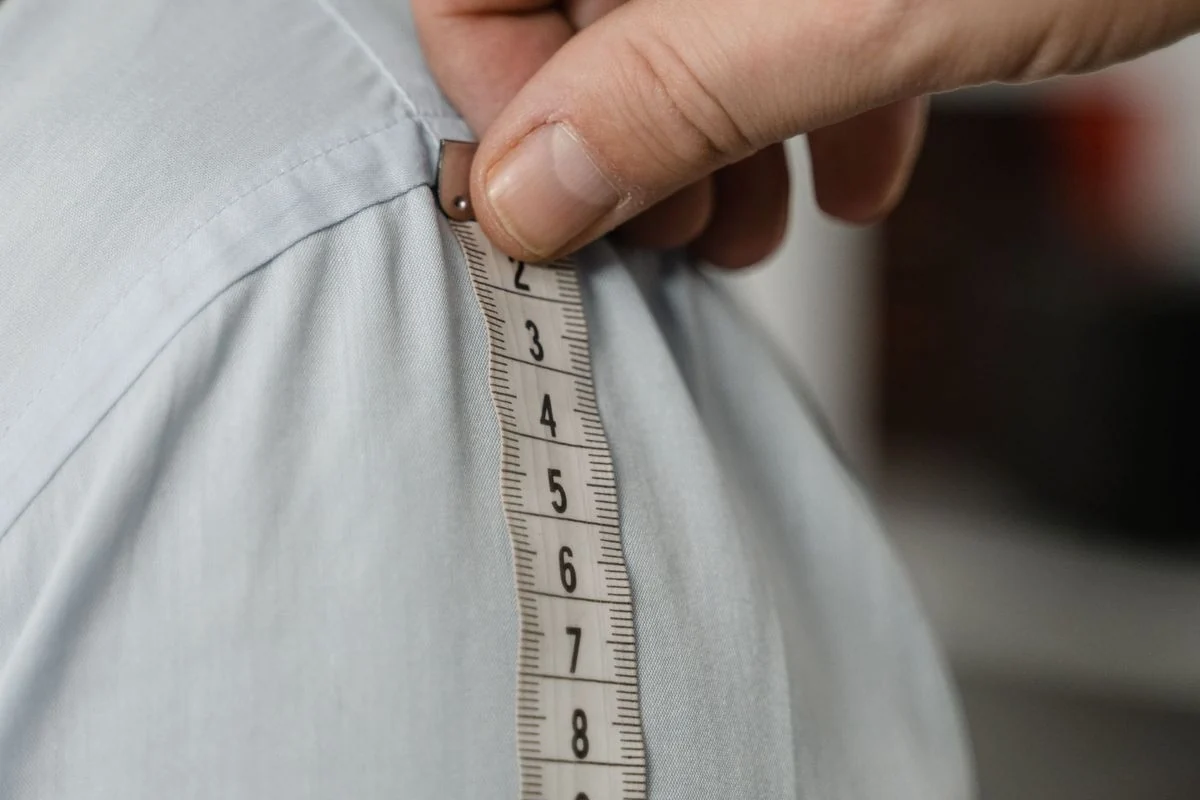
Give inches clearly for US buyers; centimeters can be a useful addition. Say whether the garment is laid flat, identify your measurement points and mention stretch where relevant.
Flat garment measurements are not body measurements. They help the buyer compare with something they own; they are not a guarantee of fit. eBay’s size guidance explains how supported size values and extra sizing context work together.
4. Write a title a real buyer can understand
Build the title from verified details: brand, garment type, labeled size, color, and a distinctive style or model when you can support it. Avoid stuffing in unrelated brands or repeating the same word.
Illustrative title:
Blue Cotton Denim Jacket · US Medium · Button Front
Add the brand only when you have verified it. A title is useful when it accurately identifies the item; it does not need to squeeze in every fashion adjective you know.
For Depop, keep the description relevant too. Its search guidance says unrelated information can hurt exposure.
5. Use a description with room for the important bits
Here is a simple structure to fill with facts from your garment:
Item: [Brand if verified], [garment type], [color].
Tag size: [Exact label and sizing system if known].
Measurements: [Units, measurement points and method].
Condition: [Wear, flaws and repairs; refer to the relevant photos].
Details: [Verified fabric, closures, pockets or other useful features].
For an imaginary jacket, a completed version might say:
Blue cotton denim jacket, tagged US medium. Button front with two chest pockets. Approximate flat measurements: chest 21 inches, back length 25 inches. Light cuff wear and a small mark inside the left hem, photographed. Please compare the measurements with a jacket you own.
Review every statement, including anything copied from an old listing or suggested by AI. A smooth sentence can still contain the wrong fabric percentage.
6. Give the listing fields their own check
Check brand, size, color, department, category and condition in each marketplace. A correct description does not fix an incorrect size selection.
Where a detail is unknown or does not apply, use the marketplace’s appropriate option. eBay’s item-specifics guidance explains how those fields help match items with buyer searches.
7. Finish with shipping and stock
Check the packed weight or make a careful packaging estimate. Review the shipping service, dimensions where required, and the handling time you can meet. Confirm current options in the marketplace instead of copying an old charge.
Use the US clothing shipping checklist to plan the parcel and the used-clothing pricing guide to check what remains after costs.
Give the item a stock code and a storage location before publishing. Future you, holding an order notification and wondering which tub contains the jacket, will appreciate the favor.
If the item is offered in both stores, save both listing links to one stock record. The cross-listing guide covers that setup; the double-selling checklist covers the sale routine.
One last look on your phone
Open the published listing on a small screen. Can you quickly find the size, measurements, flaws and shipping details? If the answer is yes, you have given the buyer a much clearer starting point.
For help preparing future eBay drafts, Listalong Snap is a separate, coming-soon product. The photo-to-listing guide and AI draft review checklist explain the preparation and review habits it is designed to support. It is distinct from Listalong’s service for cross-listing existing listings.
Common questions
Which measurements should I include in a clothing listing?
Choose measurements that help explain the garment’s fit. For tops, chest width and length are useful starting points; for pants, consider waist, inseam and rise. State the units and how you measured.
Should I list the tag size or the measured size?
Record the tag size accurately, choose the closest accurate supported size in the marketplace’s fields, and add measurements for context. Do not silently convert an international tag into a US size or promise a fit you cannot verify.
Can AI write my clothing descriptions?
An AI draft can help with wording, but you should check every detail against the actual garment. Verify brand, size, fabric, measurements and flaws before publishing; a plausible description is not evidence that a fact is true.